
reencuadre imagenes mbdna
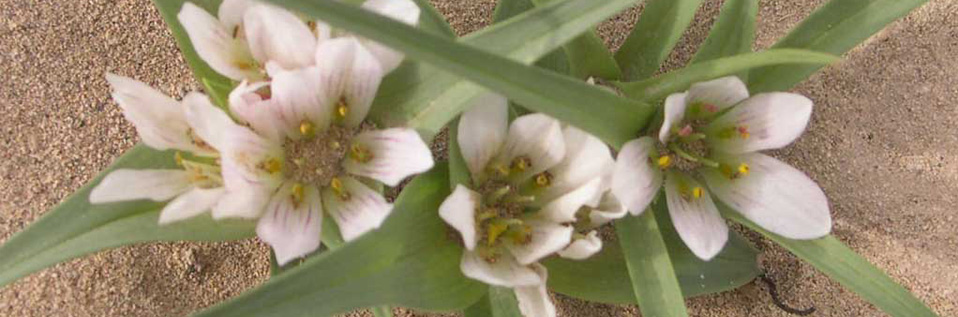
flor-arena.jpg
http://bioclimac.com/mbdna/images/M_images/imagenes-presenta/flor-arena.jpg
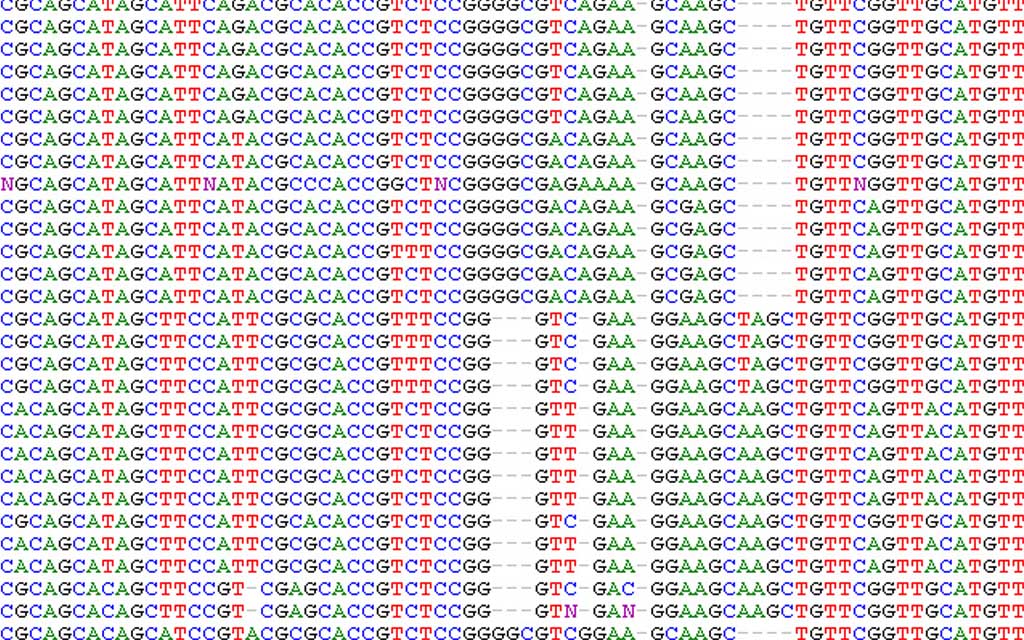
secuencia ADN.jpg
http://bioclimac.com/mbdna/images/M_images/imagenes-presenta/secuencia ADN.jpg
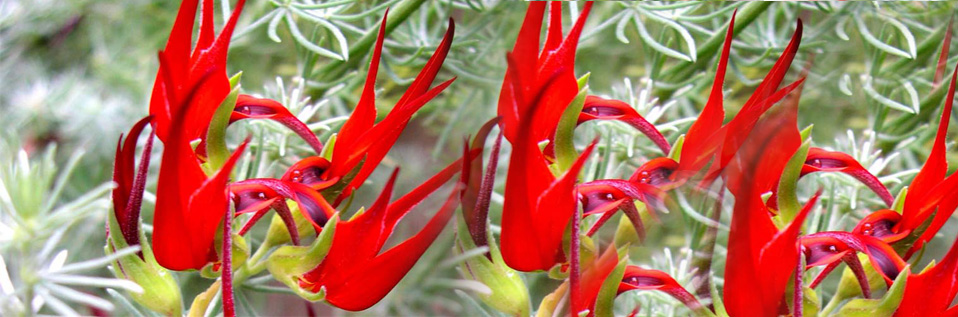
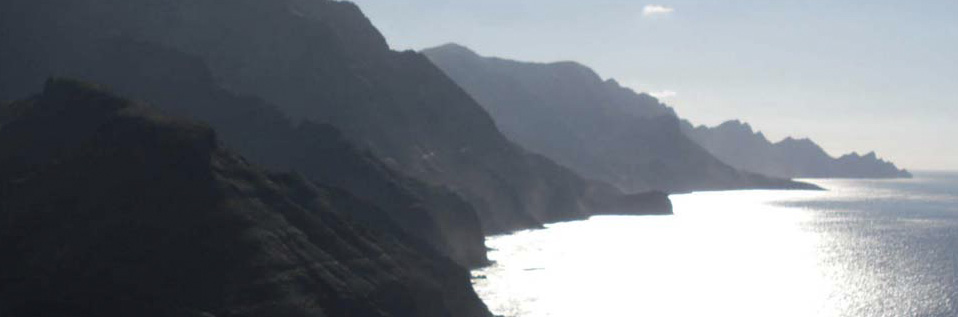
cresta.jpg
http://bioclimac.com/mbdna/images/M_images/imagenes-presenta/cresta.jpg
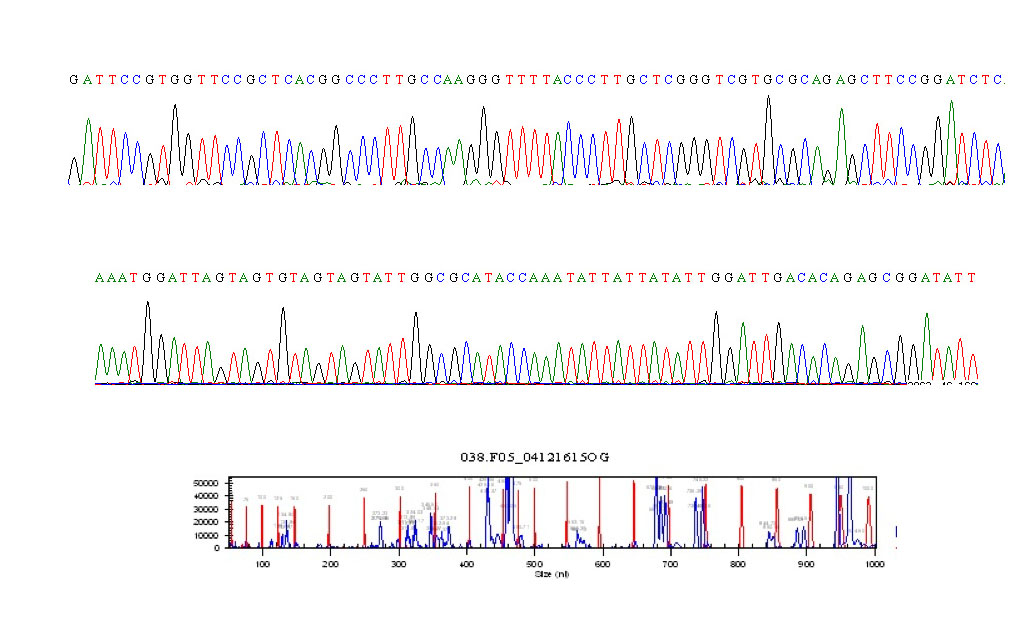
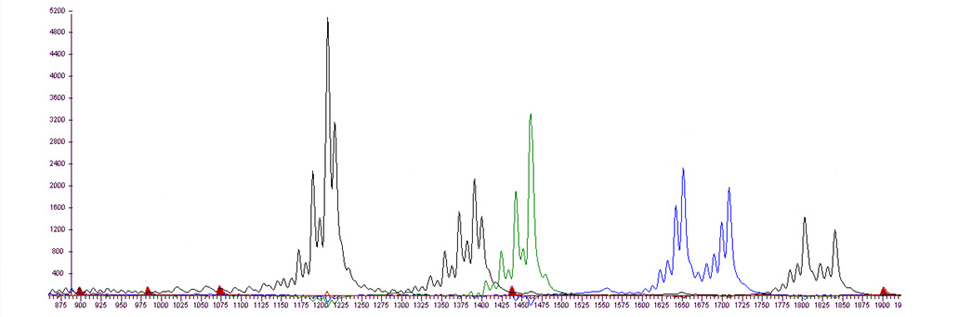
electroforetograma.jpg
http://bioclimac.com/mbdna/images/M_images/imagenes-presenta/electroforetograma.jpg
grafica_01.jpg
http://bioclimac.com/mbdna/images/M_images/imagenes-presenta/grafica_01.jpg
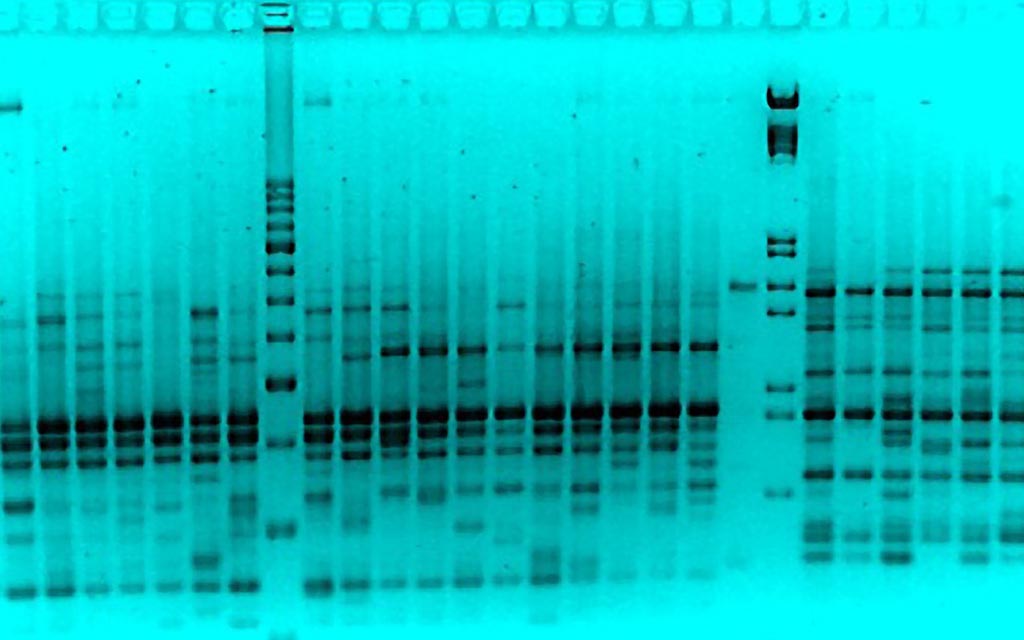
RAPDs Androcymbium3.jpg
http://bioclimac.com/mbdna/images/M_images/imagenes-presenta/RAPDs Androcymbium3.jpg
cola-dragon.jpg
http://bioclimac.com/mbdna/images/M_images/imagenes-presenta/cola-dragon.jpg
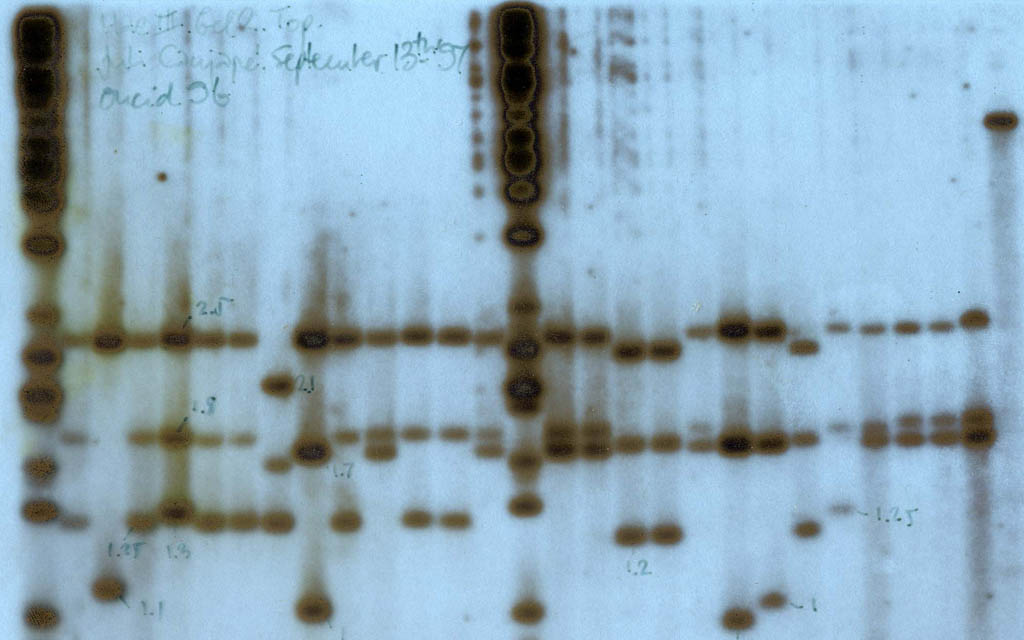
HaeIII Androcymbium.jpg
http://bioclimac.com/mbdna/images/M_images/imagenes-presenta/HaeIII Androcymbium.jpg
Atractylis preauxiana.jpg
http://bioclimac.com/mbdna/images/M_images/imagenes-presenta/Atractylis preauxiana.jpg
Introduction Photo credits: Felicia Oliva-Tejera (JBCVCSIC)
The DNA bank of the Canarian flora was created in 2005 at the Jardín Botánico Canario “Viera y Clavijo”-Unidad Asociada CSIC, Cabildo de Gran Canaria (JBCVCSIC). This ex-situ conservation infrastructure represents both the cause and effect of research on the Canarian Flora conducted by the different departments of the JBCVCSIC since its foundation in 1952.
We are a significant part of the Departamento de Biodiversidad Molecular at the JBCVCSIC, and we host now more than 12,000 samples that represent to different degrees of accuracy the distribution of more than 350 native Canarian taxa. Although most of our collections come from field trips and expeditions organized by different departments at the JBCVCSIC, we also receive samples from the Dirección General de Biodiversidad del Gobierno de Canarias, from different botanical gardens belonging to the AIMJB (notably the Jardín de Aclimatación de La Orotava in Tenerife), from the Canarian Natural Parks & Preserves, and from other insular Cabildos.
Cogent with the mission of our mother department to investigate the origins of the Canarian Flora, we also sample, extract and store plant DNAs from mainland areas that bear floristic links with the current endemic flora of this archipelago, and from the other four Macaronesian archipelagos (especially Cape Verde, via a collaboration with the Instituto Nacional de Investigaçoes de Desenvolvimento Agrario from that country).
Our ultimate objective is to represent the whole Canarian Flora (endemic, native non-endemic and invasive) to DNA-ID it, estimate its phylogenetic diversity, and use the resulting information to contribute to our institutional missions of research, conservation and education.
As a bank, we actively seek to invest our funds of genetic material to generate benefits in terms of scientific knowledge, so that our collections are simultaneously a significant by-product of research and a powerful tool to stimulate further investigation. Consequently, part of our Sample management policy is oriented to establish active collaborations with other institutions doing research on the Canarian flora, especially if they use methods or perspectives that are new to us.
We do not have a specific budget for DNA banking, and thus far our activity is supported indirectly by the projects where the Departmento de Biodiversidad Molecular is involved. Due to our multiple commitments and to our belonging to the local insular administration, we can't assist with sampling in projects where we do not participate. However, we may occasionally provide general sampling indications to persons who have a standing sampling permit issued by the competent authority in the archipelago.